Some of you may have seen the Working with Claire article referenced in High Growth
Handbook. I really liked this concept and have wanted to write one of my own for a while. Since I'm starting a new role soon I realized this is probably the
best time to take a crack at it. So here it is, my own version of Working with Claire Josh.
General Things
This section contains general things to know about me, my style, who I am, and how I work.
Personal / Family
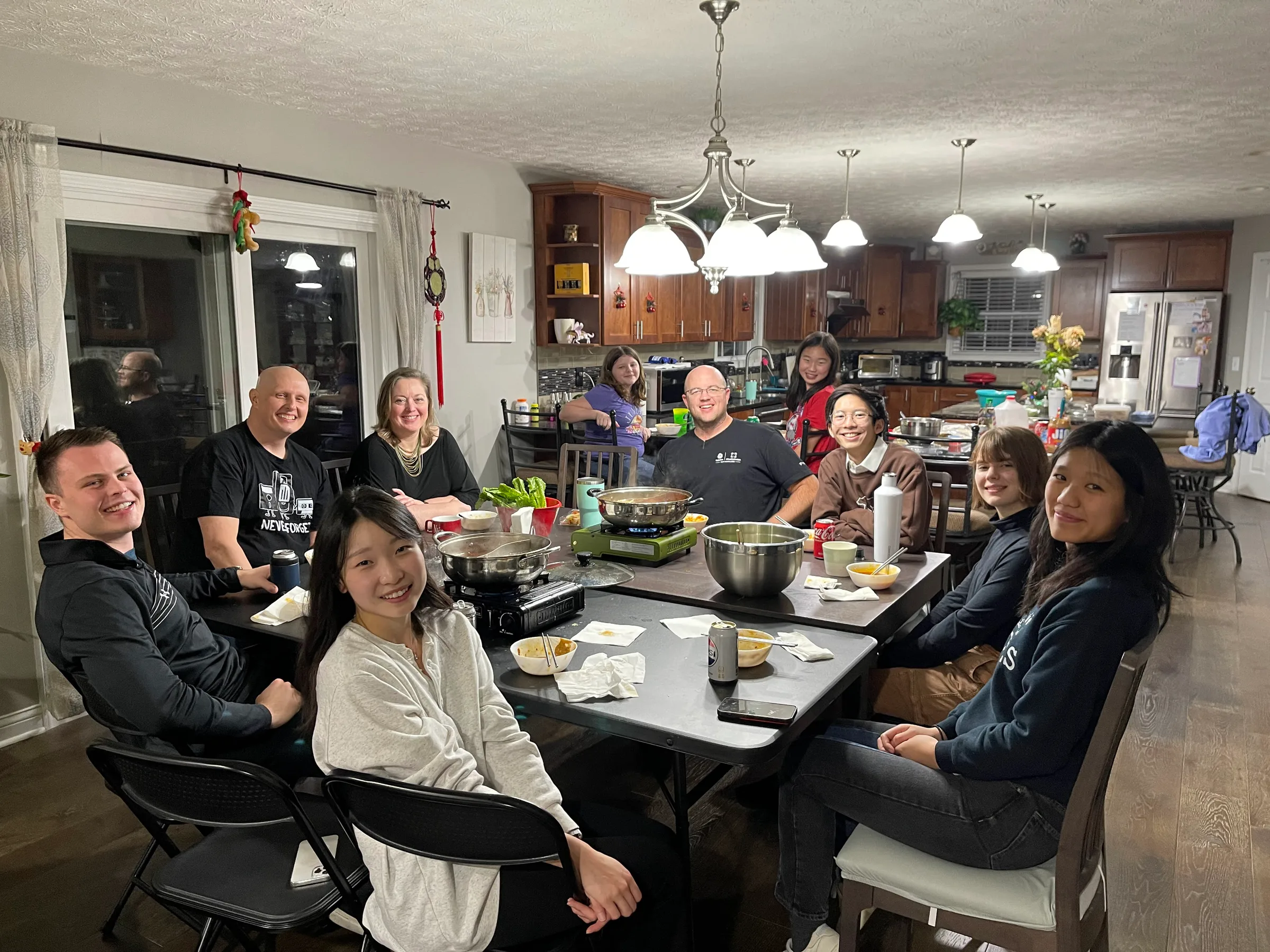
You can see some information over here. I live in Lafayette, IN not far from Purdue University. I grew up in the same town, moved away for awhile, and then moved back. My wife is from China and my big COVID Skill was learning how to make authentic Chinese food. I have two awesome daughters (7th grade and 9th grade). I spent the whole last summer building a sauna in my backyard. We have a dog named Boba who is incredibly spoiled. I'm a bit of a serial hobbyist and have been into all kinds of different hobbies and interests over the years. I've had three small side businesses in the past as well.
Education / Background
I have a BS and MS in materials engineering from Purdue University. I spent the first 13 years of my career doing physical engineering (castings, forgings, carbon-fiber composites, etc.) primarily in the aerospace industry. I've done failure analysis, crash investigations, litigation support, supply chain support, and was the chief reliability engineer of a division. The physical engineering was always my career while software and web applications were my primary hobbies.
In 2019 I decided to merge the two by starting a software start-up inside Rolls-Royce (the aerospace and defense company, not the car company) building software and applications for internal teams. I grew and scaled that over the next 8 years and ended as a VP of Digital Products and Head of the Group Software Factory supporting software development across all 5 global divisions.
Throughout that scale-up, and as my daughters got older, I realized my desire to drift from delivering value as an individual contributor to delivering value through people and teams. Watching people grow and develop became more rewarding than the technical delivery work I was doing myself as an individual contributor.
Books & Writing
I'm a big fan of books. When you meet with me you'll see a book shelf behind me that closely mirrors my online book shelf. I tend to write book reviews and publish them online. These are more about what I took away from the book than a full summary. I also sort them from most useful to least useful in a purely subjective way. The ordering has changed over the years as I've changed and grown in my career.
I'm also a big believer in the power of writing and have discussed my own writing journey. I credit the practice of writing as the largest contributor to my own personal soft-skill growth across writing, thinking, and speaking. If you believe William Zinsser, Writing is Thinking and doing more will benefit you.
Communication
Transparency
I really value transparency. I personally am a bit of an open book and don't mind sharing personal details or what's happening in my life. In addition, and perhaps more importantly, I fundamentally don't believe in using Knowledge as Power. I feel that the more people know, the better they can do their jobs and the more they can contribute to the organization. I also feel that transparency builds trust and trust is a key. I know that at different levels there are sometimes secrets or information which must not be shared and I'll respect that. But know that I'll share it if/when I can. I'll also share information others may not normally share, but there is no restriction against. Reed Hastings of Netflix discussed in his book that making organizational decisions where employees are treated "more like adults" led to better output. Cheers to that.
Rhetoric and Speaking
I prefer plain speaking whenever possible. I dislike what I consider political speech: language chosen primarily to produce a desired reaction rather than communicate a clear meaning. I prefer direct, precise language that leaves little room for interpretation. Say what you mean, even when it's uncomfortable. I'd rather have an honest disagreement and debate than an agreeable conversation where nobody is quite sure what was said.
Psychological Safety
Following right on, this will likely be one of my largest pushes during my time in an organization. I believe that psychological safety is the single most important factor in building high performing teams. I believe it because I believe the evidence is overwhelming. Daniel Coyle in his book The Culture Code lays out the evidence. Amy Edmondson of Harvard has two great books on how to implement it.
When this is working well and firing on all cylinders, it's really magical to see. You'll end up seeing teams that openly debate and argue with each other. You'll see people totally free and happy to challenge the boss, more senior people, or people on other teams. You'll see someone who fearlessly calls out a bad plan in a meeting even with execs because they want what's best for the company. You'll see teams who know how to debate the ideas while not going against the person.
This must be grown from the bottom-up, but permission to grow it must be demonstrated top-down. If you ever feel like there is something stopping you from challenging up or down, or being honest about problems, please let me know. I want to hear about it and I want to fix it.
PowerPoint
Related to some of the other points above, I have a strong dislike for PowerPoint, slide decks, or anything that you spend a lot of time preparing ahead of time that isn't useful again in the future. I'm aligned pretty well to the move Amazon made to eliminate PowerPoint from meetings because Bullet Points Allow for Lazy Thinking. I'd prefer you come to a meeting and talk me through. If you want some notes about the topics up on a slide, great... but they can be ugly and simply serving the purpose.
To put it simply, if you're ever spending time or energy worrying over how pretty a slide deck is if I'm the intended audience, you're spending your time on the wrong thing. I want to hear your ideas. Leave the pretty materials to the marketing professionals.
If you need to convey a lot of information ahead of time, take the time to write something like an Amazon Six-Pager as described in Working Backwards (although I'm not precious about the format). Taking the time to think through an idea and writing it down helps to not only improve your writing and thinking, see above, but also is able to reference and share the material again later. I will always try to make time to read these ahead of a meeting if you take the time to prepare them.
IMPORTANT
These cannot be AI slop. If you want to use AI to help you organize your outline, pressure test your ideas, or do a final check for grammar/spelling/punctuation errors, great. But DO NOT use AI to write the article. That defeats the purpose, and is a waste of your time and mine. I'll promise to not criticize your writing capability if you promise not to let AI generate your thoughts.
Docs Sites & Referencing Ideas
I'm a huge fan of markdown and docs sites. Writing documents, articles, and information pages is one area of development I never stopped working on. I love them. I love putting together a page with information, graphics, diagrams, and arguments and having a link I send people to again and again. I hate losing my work buried in SharePoint sites, shared drives, or OneDrive. I love the concept GitHub discussed where they feel every decision and piece of information should be able to be linked. It also ensures people who are engineering-adjacent get to learn tools like Git, GitHub, Markdown, and the magic those worlds provide.
I will fund training, practice time, and writing time for anyone who wants to improve their skills in this area. I would love to have a high quality, active, and flourishing internal (and external?) blog site where our talented people can share their articles full of thoughts, delivered projects, and knowledge. This builds pride in your work, reputation with adjacent teams, and helps us to attract new talent. In past organizations I've led I made it mandatory that everyone wrote a minimum of one article per quarter. Let's see how things go!
As before, AI can support this work, but the content needs to come from you.
Operating Approach
Management Style
Direct Reports
I generally schedule 1:1 meetings for 30min every other week. I'd prefer these to be focused on problems you want help with, discussion about your development and growth, and what I can do to help you and your team better deliver. I'd prefer you selfishly use this time for yourself and your team. I'll take responsibility to make time to give you feedback or pass on other information if you fill our 1:1. This is the preferred path and that way I feel it should work. I'm happy to adjust or flex differently this model isn't working.
Skip Levels
I'm a fan of skip level meetings, and I want to hear from people even when there is a manager between us. I'm happy to hear if you think there is a problem with your manager, but you may not always get the response or action that you expect. I'm more interested in what you feel like is slowing you down, what you need from leadership to help you be more empowered, and what you think is working well. I'm a believer in the L. David Marquet style of keeping decisions near the information. If you feel you should have decision authority on something and bureaucratic blockers are preventing that, I want to hear about it.
Deadlines
Once in a while, there are legitimate deadlines in a business. Depending on the business there may be more or less. If we're under a real deadline, then I'd expect short-term infrequent sacrifices in weekends, evenings, family time, and perhaps other things. These sacrifices should be rewarded for pulling hard when the company needs you with various types of rewards.
That said, many companies have a culture of fake or manufactured deadlines. This practice is hurtful to the people, their contributions, their mental health, and leads to many types of problems. I will always do my best to clarify and block any of these manufactured deadlines. Something may be important, but it needs to find the proper place in the priority of everything else going on. If someone is putting a deadline on you that isn't real, I want to hear about it.
Decision Velocity
I prefer to make decisions pretty quickly. I like the Jeff Bezos concept of "Two-Way Door" or "One-Way Door" decisions. Most of our decisions in a company on a daily basis are the two-way door type and should be made quickly because changing our mind can be fast and easy for the low cost of admitting we're wrong. Once in a while we have a consequential two-way type decision so we'll take our time and really try to get it right.
Team Away Time
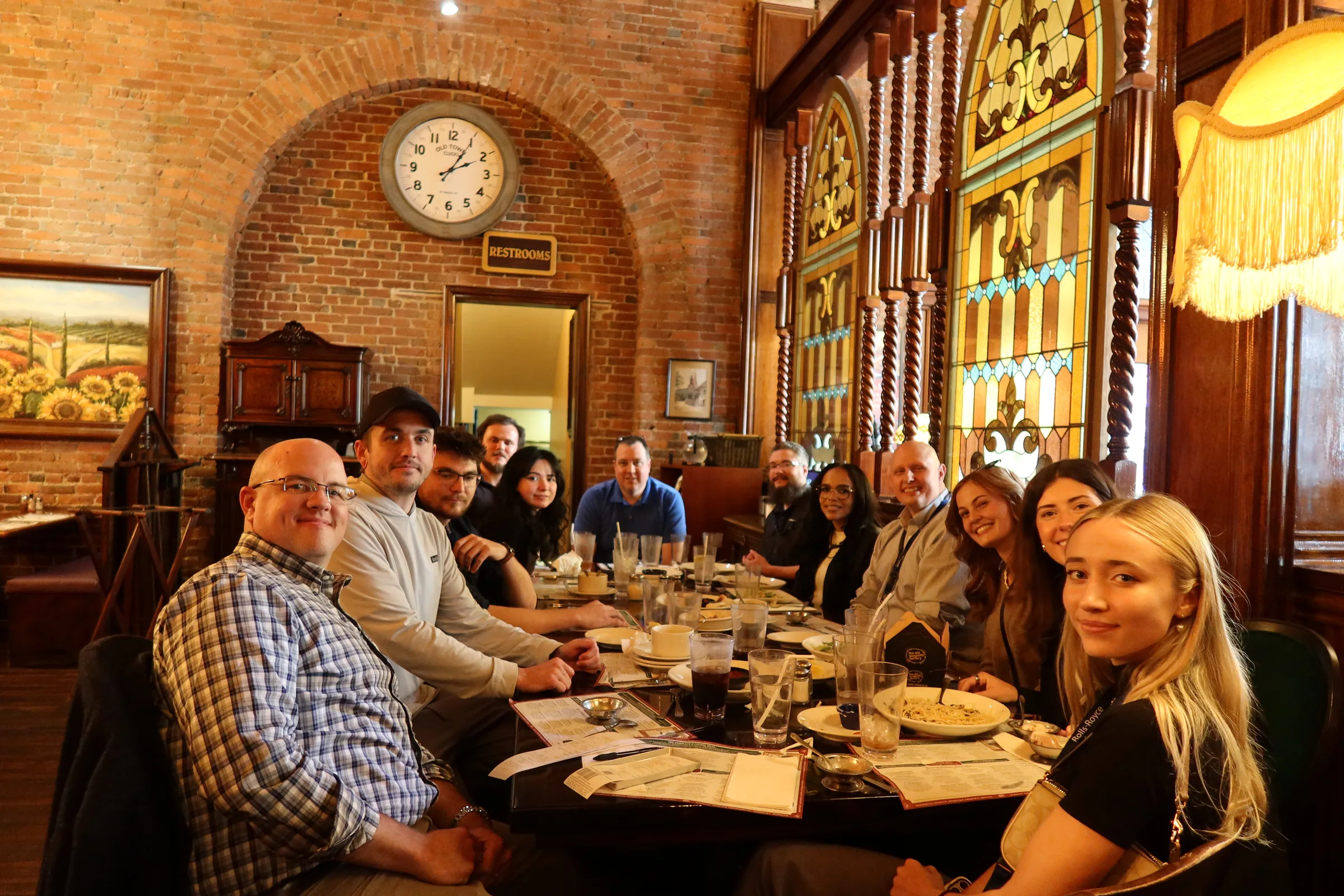
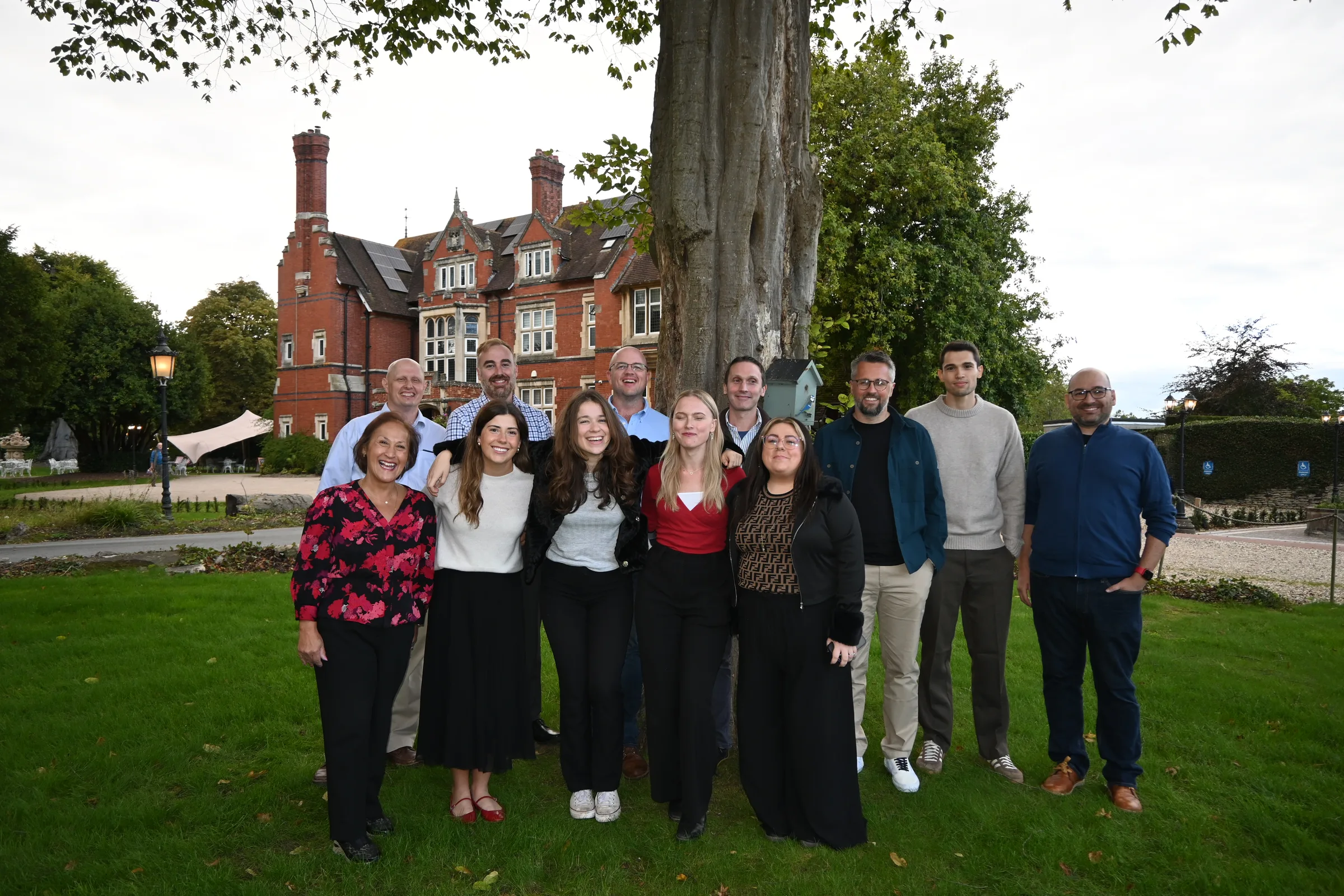
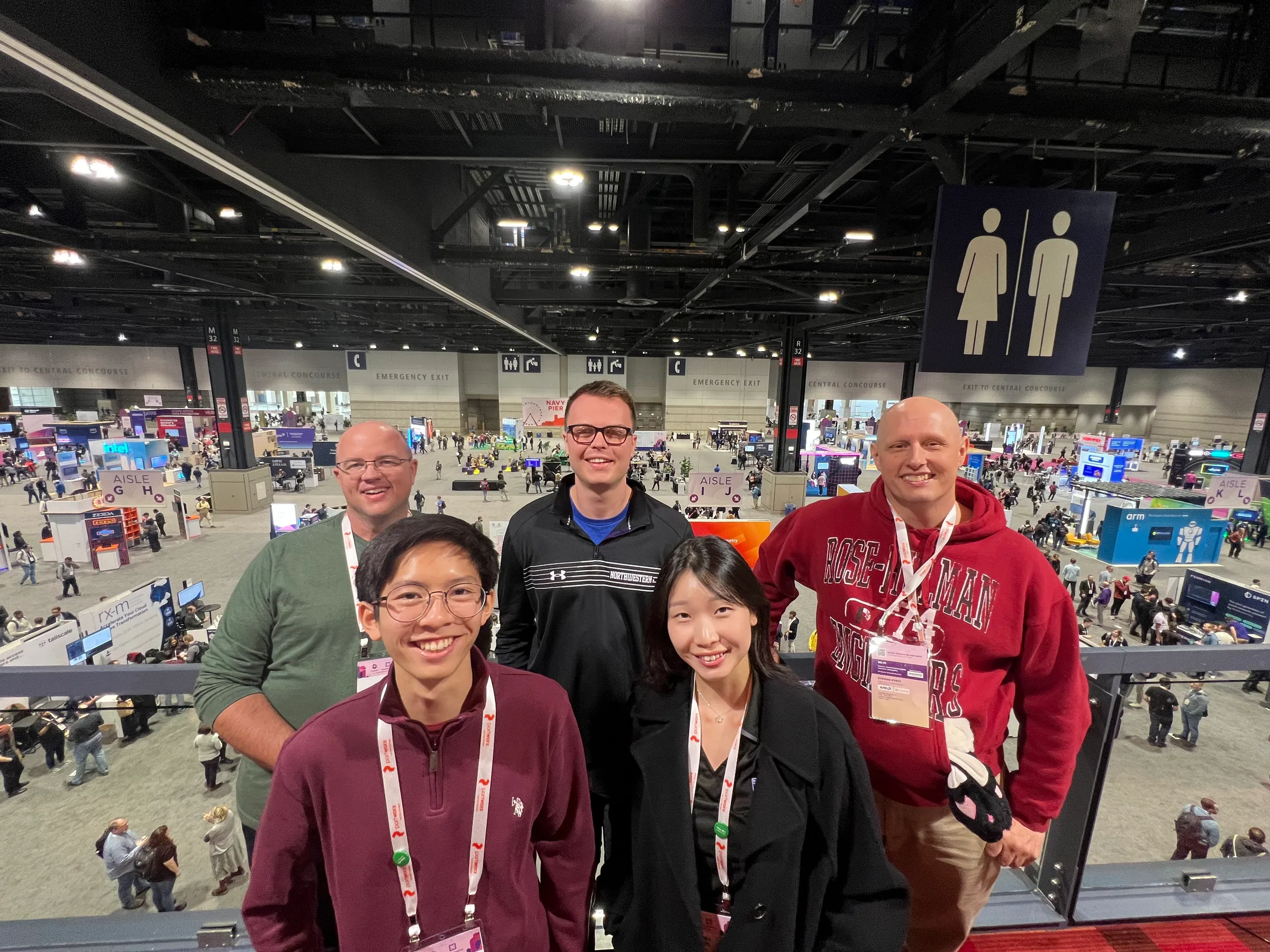
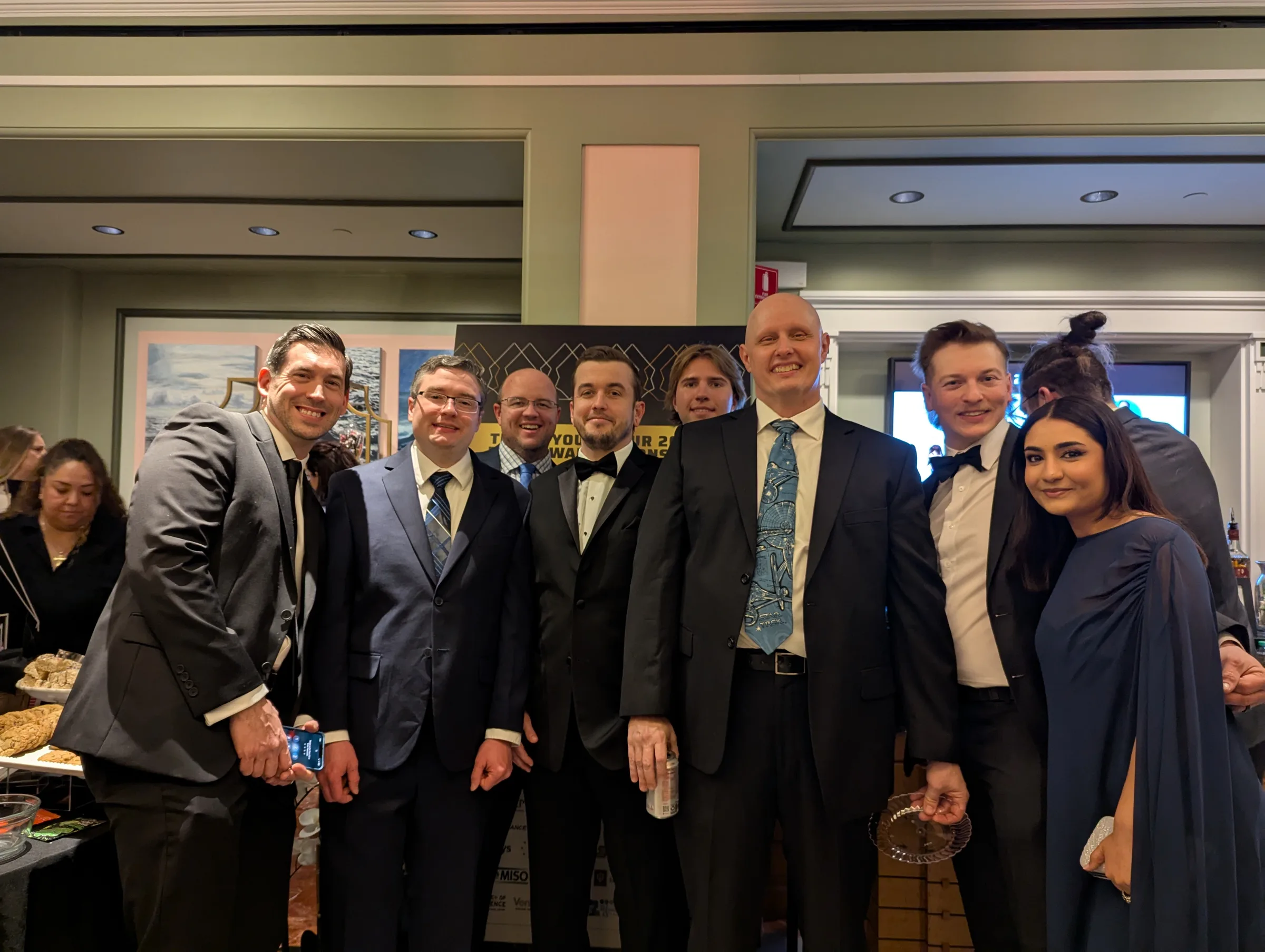
I'm a big fan of the whole team getting away from work together at least once a year. I've been on large-team conference trips where we learned together, argued together, had dinners, did escape rooms, etc. The team building, memories, closeness, shared purpose, shared experiences, and inside jokes can create new energy in a team for the next year. The cost of these is relatively minimal in the grand scheme of things and form some of my best memories. It's worth it, make time for it.